

Title: The Dark Side of Currency: Why Buying Counterfeit Money is Illicit and Dangerous
In the detailed web of global economics and trade, currency plays an essential role, acting as the lifeline of financial deals. Nevertheless, the allure of fast gains and the privacy of the web have developed a shadow market where illegal activities grow. One such activity, the purchasing and selling of counterfeit money, has actually become a growing concern for police, monetary institutions, and federal governments worldwide. This short article explores the threats and repercussions of engaging in the purchase of counterfeit money, supplying an extensive understanding of why this practice is not only prohibited however likewise highly risky.
The Illegality of Counterfeit Money
Counterfeiting is a serious crime in essentially every country. The production, circulation, and use of counterfeit money are strictly forbidden by law and undergo extreme charges, consisting of significant fines and long jail sentences. The reasoning behind these stringent measures is clear: counterfeit money weakens the trust in a nation's currency, destabilizes financial systems, and can cause considerable monetary losses for businesses and people.
The Risks of Buying Counterfeit Money
Legal Consequences
Bad Guy Charges: Possession of counterfeit money, even if it was acquired unknowingly, can lead to criminal charges. These charges are typically accompanied by substantial charges, consisting of fines and imprisonment.
Investigation: Once detected, the purchase of counterfeit money can set off a thorough investigation by law enforcement. This can lead to the discovery of other prohibited activities and further legal issues.
Seizure of Assets: In some cases, properties utilized in the deal or associated to the transaction can be taken, leaving individuals with considerable monetary losses.
Financial Losses
Waste of Money: The money invested in purchasing counterfeit expenses is lost, as these bills have no intrinsic value and can not be used legally.
Damage to Credit: If a person is caught using counterfeit money, it can badly harm their credit rating, making it difficult to acquire loans, credit cards, or other monetary services in the future.
Credibility: Engaging in prohibited activities like purchasing counterfeit money can tarnish one's reputation, both personally and expertly, causing social and profession repercussions.
Health and Safety Risks
Risky Transactions: Online markets and dark web forums that sell counterfeit money often operate outside the bounds of law and policy. Deals on these platforms can be dangerous, with no guarantees of the seller's identity or the quality of the item.
Frauds and Frauds: The possibility of being scammed is high. Lots of sellers in the black market are more thinking about taking the purchaser's money than supplying real counterfeit costs.
Economic Impact
Inflation: The flow of counterfeit money can lead to inflation, as the increased supply of money in the market increases prices.
Disintegration of Trust: Counterfeit currency wears down trust in the financial system. When organizations and individuals are constantly cautious of the authenticity of the money they receive, it can slow down economic activity and produce a sense of insecurity.
The Counterfeiting Process
Counterfeiting money is an advanced and highly unlawful process that includes numerous actions:
Design and Printing:
Premium Templates: Counterfeiters often utilize premium design templates to duplicate the design of authentic banknotes. These templates can be acquired through numerous unlawful means, including hacking and theft.
Printing Techniques: Advanced printing strategies, such as high-resolution printers and specialized inks, are used to produce counterfeit expenses that are difficult to differentiate from the real ones.
Distribution:
Online Marketplaces: Counterfeiters utilize numerous online platforms, consisting of dark web forums, to disperse their item. These platforms provide a level of anonymity that makes it challenging for law enforcement to find the criminals.
Local Networks: In some cases, counterfeit money is distributed through local networks, frequently including criminal gangs and organized crime.
Detection:
Security Features: Governments and banks continuously develop and enhance security features on banknotes to make them more difficult to counterfeit. These functions consist of watermarks, holograms, and color-shifting ink.
Training and Awareness: Businesses and people are frequently trained to acknowledge counterfeit money. This consists of finding out about the current security functions and understanding the typical indications of fake expenses.
How to Protect Yourself from Counterfeit Money
Educate Yourself:
Security Features: Familiarize yourself with the security features of the currency you utilize. This consists of comprehending the texture, style, and additional security aspects like watermarks and holograms.
Stay Informed: Keep up-to-date with the current news and alerts from banks and government bodies relating to counterfeit money.
Beware with Cash:
Examine for Authenticity: Always check the authenticity of the money you receive, especially in large denominations. Usage tools like counterfeit detection pens or UV lights if necessary.
Usage Electronic Payments: Whenever possible, utilize electronic payment methods like charge card, debit cards, and digital wallets. These techniques are normally more secure and more secure.
Report Suspicious Activity:
Inform Authorities: If you suspect that you have gotten counterfeit money, report it to the local police or the appropriate financial authority immediately.
Do Not Use the Money: Do not try to use the counterfeit money, as this can cause criminal charges and additional problems.
Frequently asked questions
Q: What are the charges for buying counterfeit money? A: Penalties for buying counterfeit money differ by nation however usually consist of fines and imprisonment. In the United States, for instance, the penalty for having counterfeit money can vary from a fine of as much as $250,000 to 20 years in prison, depending on the severity of the case.
Q: How do I identify counterfeit money? A: Look for crucial security features such as watermarks, security threads, color-shifting ink, and holograms. Likewise, check the texture and printing quality of the costs. If something appears off, it is best to have it confirmed by a banks or police.
Q: Can I get a refund if I unconsciously buy counterfeit money? A: No, as soon as you buy counterfeit money, it is thought about illegal ownership, and there is no legal avenue for a refund. It is crucial to avoid buying currency from unverified sources.
Q: Is it safe to use counterfeit money if I do not understand it's fake? A: No, it is not safe. Using counterfeit money, even inadvertently, can result in criminal charges. If you believe an expense is counterfeit, report it instantly and do not pass it on.
Q: What should I do if I discover counterfeit money in my ownership? A: Contact the regional police or the pertinent monetary authority right away. Do not try to use or dispose of the counterfeit money yourself, as this can complicate the situation and potentially cause legal concerns.
Conclusion
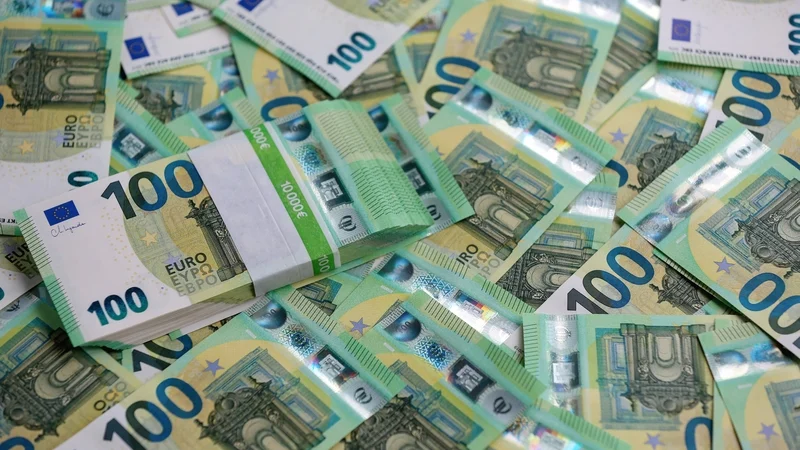
The purchase of counterfeit money is a deeply troubling and prohibited activity that presents considerable threats to people and society. While the temptation to acquire fast wealth may be strong, the possible effects are serious and far-reaching. Rather of taking part in such hazardous practices, it is vital to stay informed, vigilant, and to always verify the credibility of the currency you manage. By doing so, you not only secure yourself but also contribute to a more safe and secure and trustworthy monetary system.
In hochwertige fälschungen where trust and integrity are critical, the accountable use of currency is an essential aspect of economic health and stability. By avoiding the temptation of counterfeit money, people can help avoid the erosion of trust and ensure a safer financial environment for everyone.